
Guide
How to turn the people who ask for free into paying clients.
Every week someone asks for “a quick call”. Saying no feels mean, saying yes eats your week. There is a third answer: a ladder where each step is a small yes, and the people who need you most climb it on their own.
6 min read
People who ask for free advice are not freeloaders. They are telling you that your judgment is worth something to them, before they know what it costs. The problem is that a $5,000 engagement is too big a first step, and a free coffee is too small to lead anywhere.
The fix is to put steps in between, each one small enough to say yes to:
- A place to ask, instead of your inbox.
- A small price to stay in that place.
- One group hour a week, where the questions get answered live.
- A paid one-to-one for whoever needs more than the group.
- The project, with a proposal and a deposit.
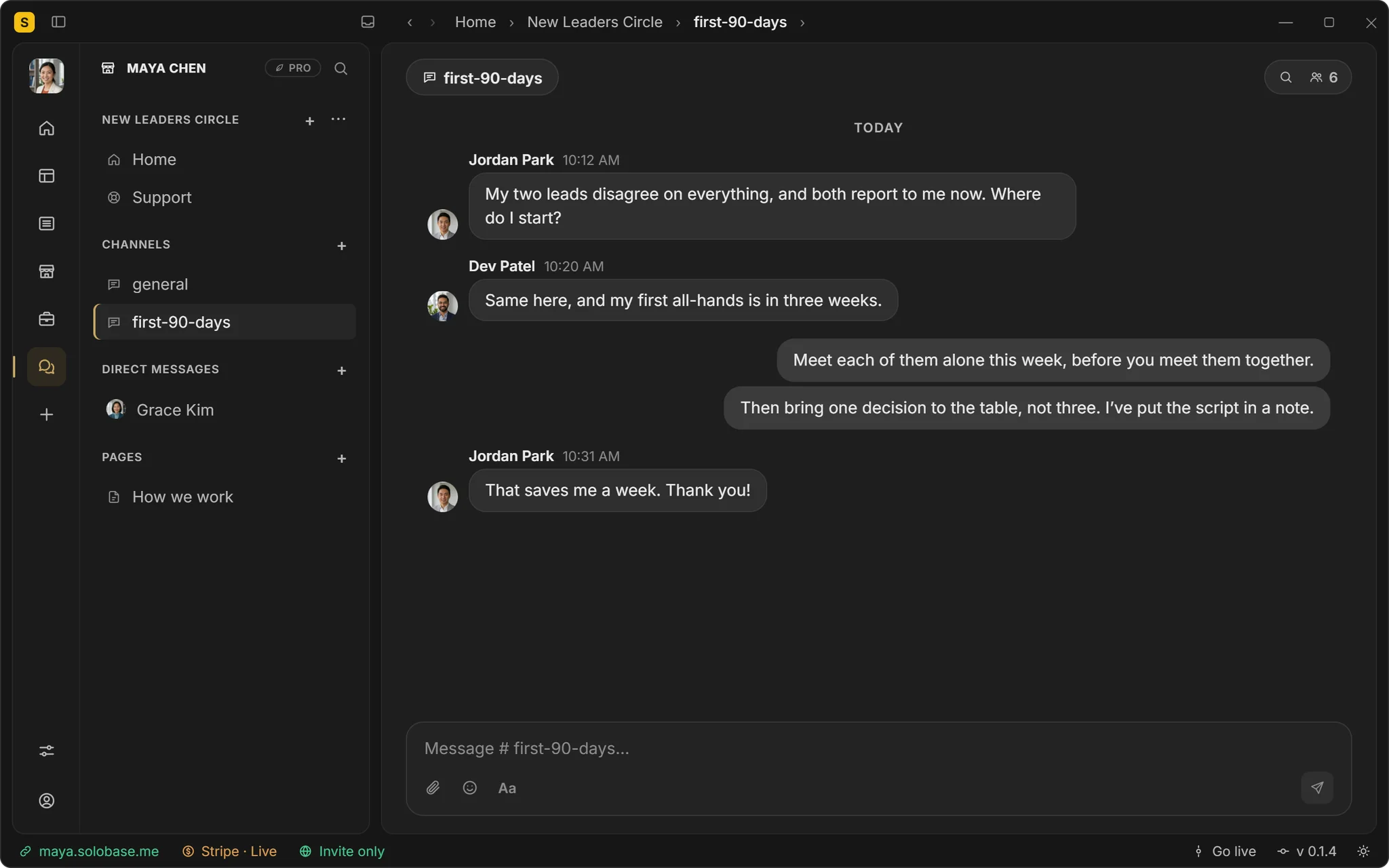
1. Give them a place, not your DMs
A question answered in a DM helps one person once. The same question answered in a shared channel helps everyone who has it next month. Open one place with two channels: one for conversation, one for questions. Write a short page on how it works: what to ask, how fast you answer, what you will not do there.
Next time someone asks for a quick call, send them the link: “Ask it here. I answer every question in the channel, and the answer stays for the next person.”
2. Put a small price on the place
A small price changes who stays and how they ask. People who paid come with real questions, read the earlier answers first, and show up to the call. Keep it well under one hour of your one-to-one rate, so joining is an easy yes. For a coach who charges $250 an hour, $20 to $50 is a fair start.
If you want to keep a free door, keep the conversation free and charge for one channel: the one with your answers, your templates or your weekly hour.
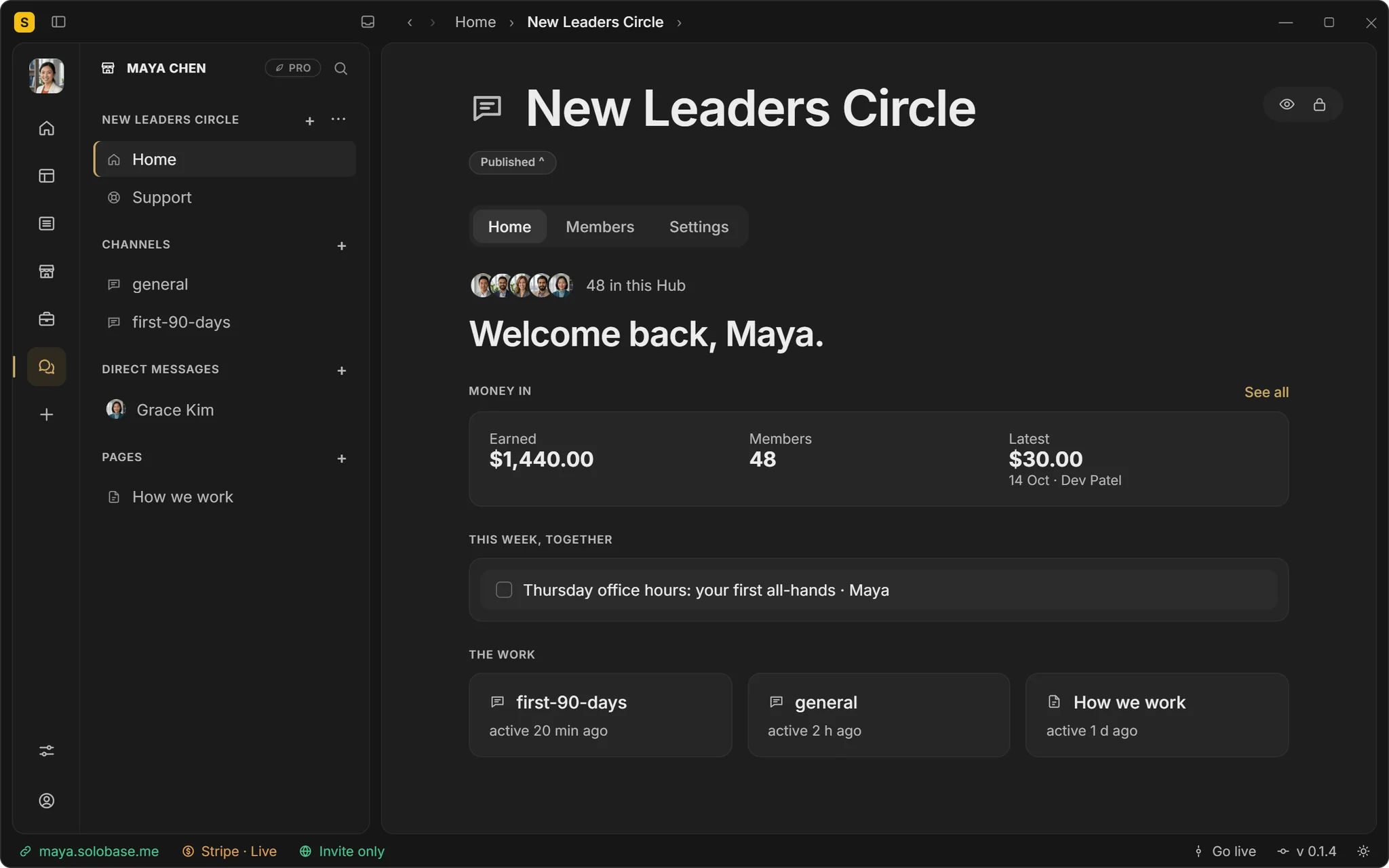
- Say what the price buys, in one line: “A weekly hour with me, and every answer kept.”
- Start lower than feels right. You can raise it for new members later.
- Never take a cut through a platform you do not need. The money should land in your own account.
3. Hold one hour a week, in the same place
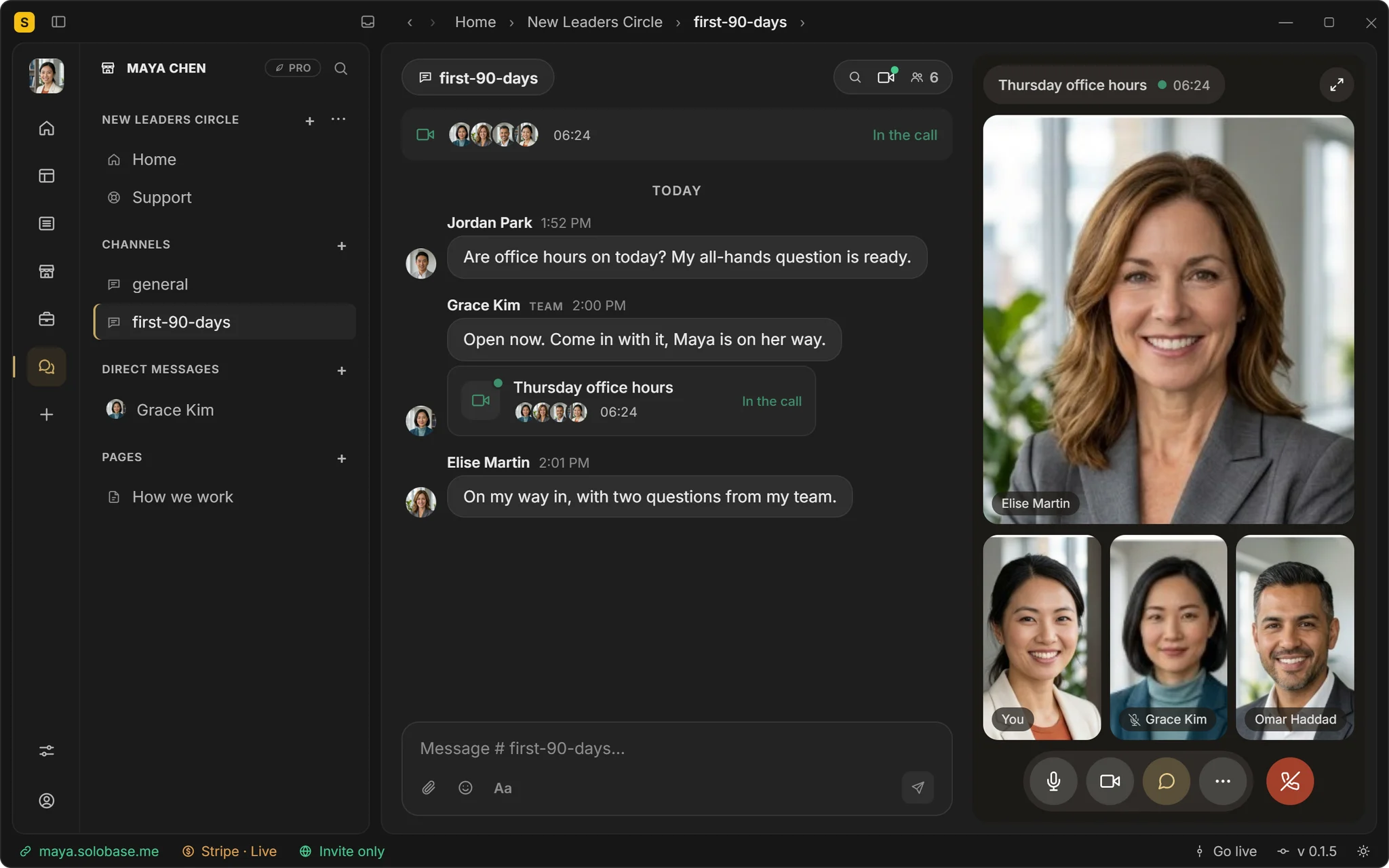
Pick one slot and keep it: Thursday at four, every week. Ask members to post their question in the channel before the call, so you can read them first and answer the best ones live. Hold the call where the questions are, so nobody has to find a new link or repeat themselves.
After the call, write the two or three best answers down where members read. An hour that leaves notes keeps working for months.
4. Offer more to whoever needs it
In a few weeks you will notice the people who need more than a group hour. Do not pitch the whole group. Offer the next step to the one person, privately, when one of these shows:
- Their question is about their own situation, not a general one.
- They ask a follow-up to last week’s answer.
- They mention a deadline, a budget or someone above them.
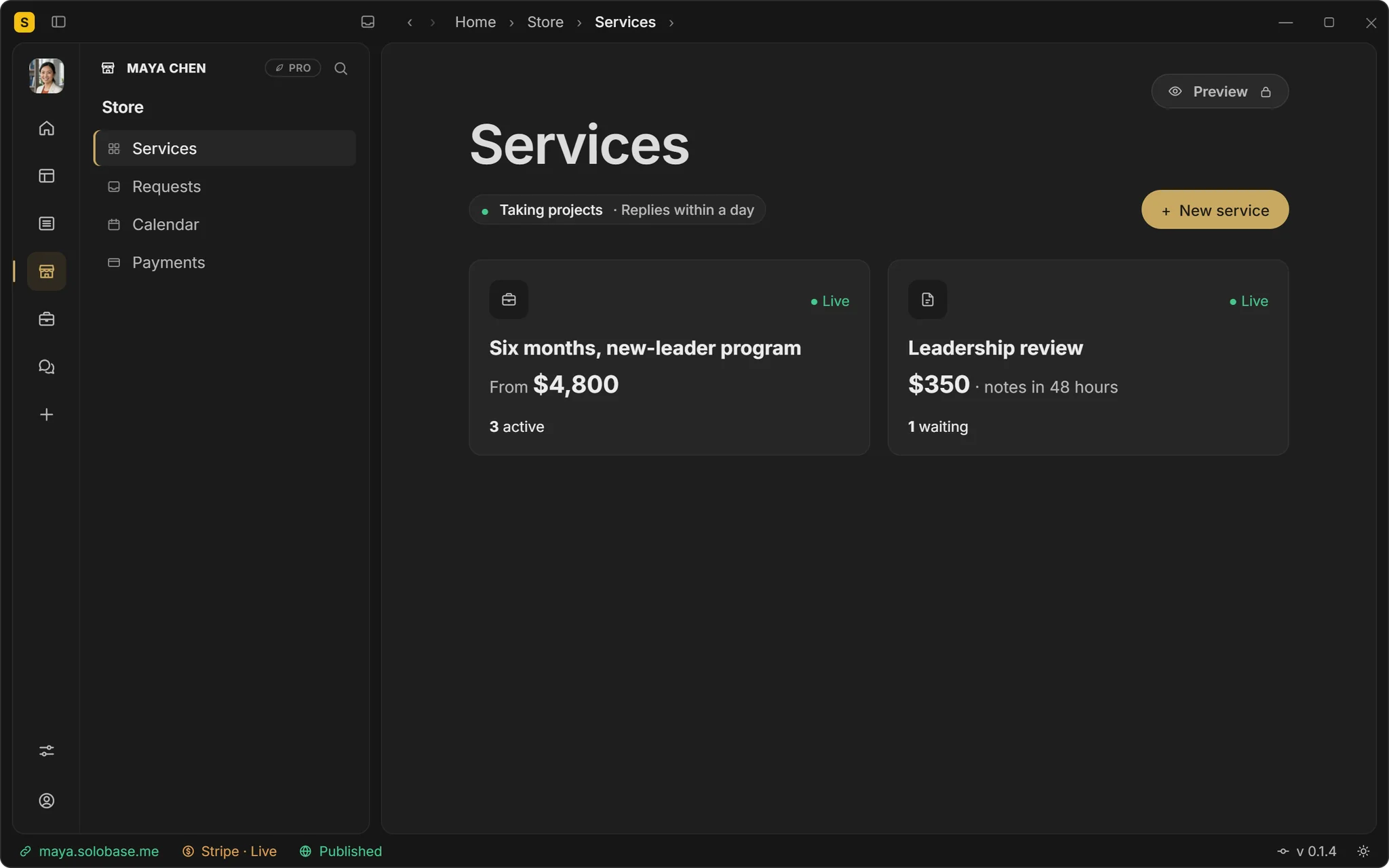
Then say it plainly: “This one deserves more than ten minutes in the group. I do a 60-minute review for $350. You send me the context first, and you leave with written notes.” A fixed scope and a price paid before the call make it easy to say yes, and easy for you to say it without apology.
5. Let the session lead to the project
A good one-to-one ends with a clear picture of the work. If there is real work, say so at the end of the call, and send a short proposal the same day with the scope, the price and a deposit. If there is not, the notes are worth what they paid, and they stay in your Community Hub for next time.
The guide on asking for a deposit covers that step in detail.
What not to do
- Do not answer in DMs what belongs to the group. Every private answer is one the next member cannot find.
- Do not sell to the whole group every week. The place is worth paying for because it is not a sales channel.
- Do not price the place close to your hourly rate. It is a first step, not a discount on your best work.
- Do not skip the weekly hour when it is quiet. Consistency is what members are paying for.
Where a Studio fits, honestly
In a SoloBase Studio, the place is a Community Hub on your own domain: channels, Q&A with accepted answers, pages, and a price to join or a paid channel, paid to your own Stripe with 0% to SoloBase. A price to join is one payment today; monthly dues are being built.
The weekly hour is a call in the channel, up to 25 people (counted in participant-hours by plan). The one-to-one is a service in your Store Hub, booked at your open times and paid before it. The project becomes a Client Hub with a proposal and a deposit. Until you are in, a group chat, a video link and a payment link do this job, and every step above still applies.
Read next
4 min read
A one-page client brief template for consultants
Twelve lines that fit on one page and keep an engagement honest from the first call to the last invoice.
4 min read
How to take a deposit before consulting work starts
Decide the terms, write them in plain words, ask without apologizing, and start the work only when the money has landed.
Give the people who ask a place to climb.
Make your card in a minute, open a Community Hub under your name, and keep every payment.